
No - you cannot put fresh flowers in resin. Fresh flowers contain moisture, and once epoxy seals around them, that moisture has nowhere to go. The flowers rot, the colour darkens, and the resin turns cloudy. Bubbles form along the petals and stems. In some cases curing itself is affected. All flowers must be completely dry before they touch resin.

For the complete guide to every stage of flower preservation - from formula selection to layering and finishing - read our full resin flower preservation guide.
What Happens to Fresh Flowers in Resin?
Each problem that comes from using fresh flowers in resin has the same root cause: moisture sealed inside a material that cannot release it.
Rotting. Fresh flowers will rot inside the casting. It may not happen immediately - sometimes it takes weeks - but once the process starts inside cured resin, it cannot be reversed. Epoxy hardens completely around botanical material and cannot be reopened. Prevention is the only option.
Colour change. The same moisture that causes rot also changes how the flowers look. Petals that appear vibrant when fresh often darken, discolour, or brown after being sealed in resin. The change can appear within hours or develop gradually over time.
Cloudiness. Water and epoxy do not mix. Moisture from the flowers migrates into the surrounding resin as it cures, producing a cloudy or milky appearance around the petals - and sometimes spreading across the entire piece. Once cured, it cannot be corrected.
Bubbles. Fresh botanical material releases moisture and gases as it begins to break down inside resin. This creates bubbles along the surface of the petals and stems that cannot be removed after the resin has hardened around them.
Curing problems. In some cases, moisture in fresh plant material disrupts the chemical reaction between resin and hardener. This results in soft spots, persistent tackiness, or sections that never fully harden around the flowers.
Fresh vs Dried vs Pressed Flowers: Which to Use
The right preparation depends on the type of project.
| Flower state | Best for | Advantages | Limitations |
|---|---|---|---|
| Fresh flowers | Not suitable for resin | - | Moisture causes rot, cloudiness, and bubbles |
| Dried, three-dimensional flowers | Deep casting blocks, bouquet preservation | Retains natural three-dimensional shape and depth | Silica: 3-7 days; air drying: 2-4 weeks |
| Pressed flowers | Coasters, jewellery, surface layers | Flat and precise; easy to position in thin pours | No depth; limited to flat or shallow projects |
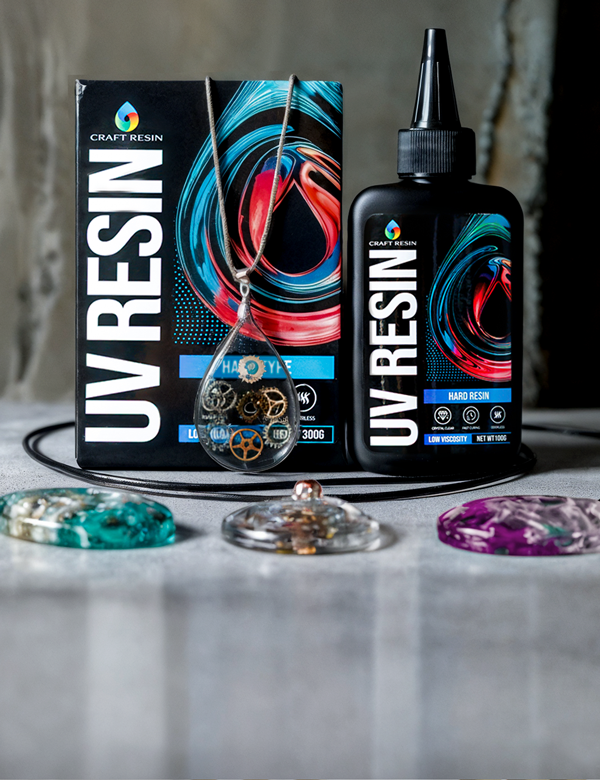
If you want to use pressed petals or small dried flowers in coasters, pendants or other shallow silicone mould projects, Craft Resin Arts & Crafts Epoxy Resin is designed for this type of casting.
For larger projects involving whole dried flowers or deep decorative blocks, Craft Resin Deep Pour Epoxy Resin is better suited to thicker pours that help preserve the flowers' three-dimensional shape.
How to Dry Flowers for Resin
Flowers can be dried for resin in four ways. Which to choose depends on your timeline, the type of flower, and whether you need to keep the three-dimensional shape or are happy with a flat result.
Silica gel (3–7 days)

Silica gel is the fastest method that still preserves the natural shape of the flower. Bury the prepared flowers fully in silica gel crystals, making sure no petals are exposed, and leave for 3 to 7 days. The crystals change colour as they absorb moisture - this tells you the process is working. Silica gel is particularly effective for fuller flowers like roses and peonies, where air drying can cause petals to collapse or shrivel. Once dry, gently brush off any remaining crystals before placing flowers into resin. Watch our video on how to dry flowers for resin to see the silica method in action.
Pressing (2–4 weeks)

Pressing flattens the flower and draws out moisture through absorbent paper over time. Place prepared flowers between non-glossy pages - matt book pages or botanical pressing paper both work. Glossy pages will not absorb moisture and the method will not work. Close the book, add weight on top, and leave for 2 to 4 weeks. Thicker flowers may take longer. Pressed flowers are not suitable for three-dimensional projects; they work best for coasters, jewellery, and surface layers where a flat result is the goal.

Air drying (2–4 weeks)
Hang flowers upside down in a warm, dry, well-ventilated space for 2 to 4 weeks. This method needs no equipment but takes the longest, and some colour loss is common compared to silica drying. Hanging upside down helps the petals dry in a more natural open position rather than collapsing under their own weight. Once the flowers feel completely dry and papery with no softness remaining, they are ready for resin.
Microwave with silica gel (fastest option for individual blooms)
For single flowers or small individual blooms, combining a microwave with silica gel can reduce drying time significantly. Place the flower in a microwave-safe container, cover fully with silica gel crystals, and heat in very short intervals, checking after each one. Timing varies by flower size and microwave wattage - watch carefully to avoid scorching. This method does not suit whole arrangements or large quantities.
Which Flowers Work Best in Resin?

Different flowers respond differently to drying. Some retain much of their natural shape, while others are better suited to pressing.
Roses and peonies. These fuller flowers are often good candidates for silica gel drying when you want to retain their three-dimensional appearance. Their thicker centres may require more time to dry completely.
Lavender and statice. These flowers are commonly used in dried arrangements and may be suitable for air drying, depending on their condition.
Small flowers and individual petals. These are often easier to press and arrange in flat resin projects such as pendants, bookmarks or coasters.
Delicate flowers. Blooms with thin or easily damaged petals require extra care. Pressing may be more practical for some varieties, while others may respond better to carefully controlled silica gel drying.
Pale and white flowers. Some may develop a translucent appearance or change colour after contact with resin, even when thoroughly dried.
No drying method guarantees that every flower will retain its original colour or shape. If you are working with an unfamiliar variety, test the method on a spare flower first.
How to Test Flowers Before the Main Pour

Before placing any flower into a final pour - especially a species you have not worked with before, or anything with sentimental value - test with a small amount of resin first.
Mix a small batch of resin, brush it onto a single petal, and leave it to cure fully. Once hardened, check for colour change, translucency, or any surface reaction. Colour change is the most common result and catching it on one petal costs far less than discovering it across a finished piece.
Damaged petals are more likely to go translucent when resin is applied. Even flowers that look intact may have small breaks in the surface that allow resin to seep through and replace the natural colour with a glass-like effect.
If this is your first time working with flowers in resin, practice on non-sentimental flowers before using anything precious. For full visual preparation guidance, watch how to prepare flowers for preservation in resin.
Can You Preserve Fresh Wedding or Memorial Flowers?

Yes, but wedding and memorial flowers must be thoroughly dried before being embedded in resin. Before drying a bouquet, photograph the original arrangement. Drying can change the position, shape and colour of individual flowers, so photographs provide a useful reference for a future keepsake.
If you want to preserve the three-dimensional appearance of roses or other large blooms, silica gel drying may be suitable. For instructions on arranging and casting whole flowers, read our guide to preserving a wedding bouquet in resin.
If you are preparing flowers from a funeral or commemorative arrangement, you can also explore our memorial resin project ideas.
For valuable or irreplaceable flowers, avoid using the original arrangement as your first resin experiment.
FAQ
Can you put real flowers in resin?
Yes, real flowers can be preserved in resin, but they should be thoroughly dried first. Fresh flowers contain moisture that can cause discolouration, cloudiness, bubbles and decay after encapsulation.
Do flowers rot in resin?
Flowers with trapped moisture may deteriorate or discolour over time. Thorough drying greatly reduces the risk, but the long-term appearance of a preserved flower also depends on the flower itself, the resin and storage conditions.
How long does it take to dry flowers for resin?
Drying time depends on the flower and method:
- Silica gel: approximately 3–7 days or longer for larger blooms.
- Pressing: approximately 2–4 weeks.
- Air drying: approximately 2–4 weeks.
- Microwave-assisted drying: varies according to the equipment, material and approved procedure.
Always check the condition of the flowers rather than relying only on an estimated number of days.
How do you know when flowers are dry enough for resin?
Dried petals generally feel papery rather than damp, while thicker flower centres should no longer contain obvious moisture. However, appearance and touch alone are not definitive tests. Follow the recommended drying method for the flower type, allow extra time when needed and test a spare specimen before casting valuable flowers.
Shop the resin used in this guide